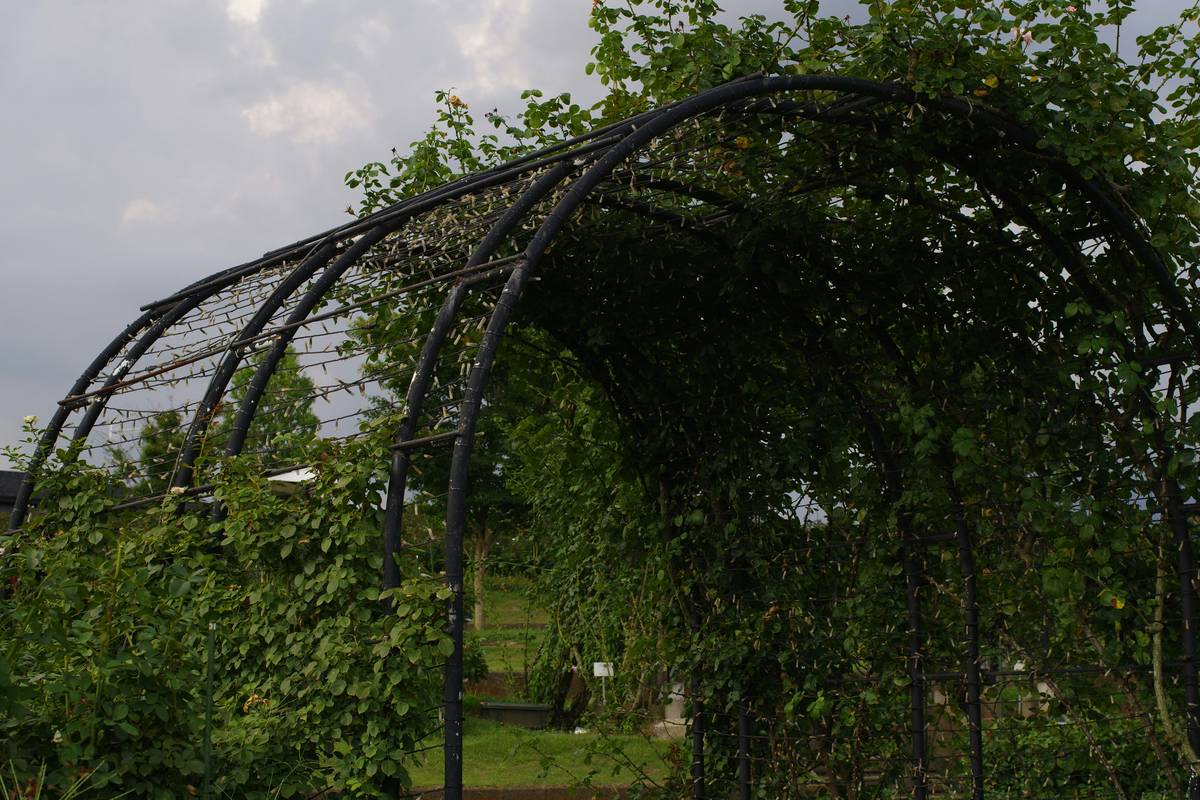
Ever stood in your garden, squinting at a flimsy wooden arbor sagging under two seasons of wisteria—and realized too late it was never built for Melbourne’s salty coastal winds? I did. In 2021, I installed a budget hollow-aluminum arbor thinking “rust-resistant” meant “forever.” By autumn, the powder coat chipped on one leg, corrosion bled into the concrete footings, and a single gust snapped a trellis panel clean off. That failure cost $843 in repairs—and taught me brutal lessons about material integrity, load specs, and why *metal arbors for gardens* aren’t just decorative: they’re structural privacy infrastructure.
Table of Contents
- Why Metal Arbors for Gardens Solve Real Patio Privacy Pain Points
- How to Choose & Install Metal Arbors for Gardens: A Step-by-Step Walkthrough
- 5 Non-Negotiable Best Practices (Most Gardeners Skip #3)
- Real Results: How a Fitzroy Rooftop Doubled Seclusion Without Blocking Sunlight
- FAQs: Weight Limits, Climate Fit, and Why “Galvanized” Isn’t Just Marketing Fluff
Why Metal Arbors for Gardens Solve Real Patio Privacy Pain Points
Patio privacy screens don’t just hide neighbour sightlines—they manage microclimates. In Home Improvement, especially across Australia’s variable zones, arbors do triple duty: vertical greenery support, sun-dappled shade creation, and wind buffering. Wooden options warp or rot; vinyl yellows and lacks tensile strength. Meanwhile, modern metal arbors for gardens deliver predictable load-bearing capacity (up to 95 kg/m² horizontal live load per AS/NZS 1170.1) and thermal stability—critical when temperatures swing from -2°C to 44°C over a week like in Footscray.
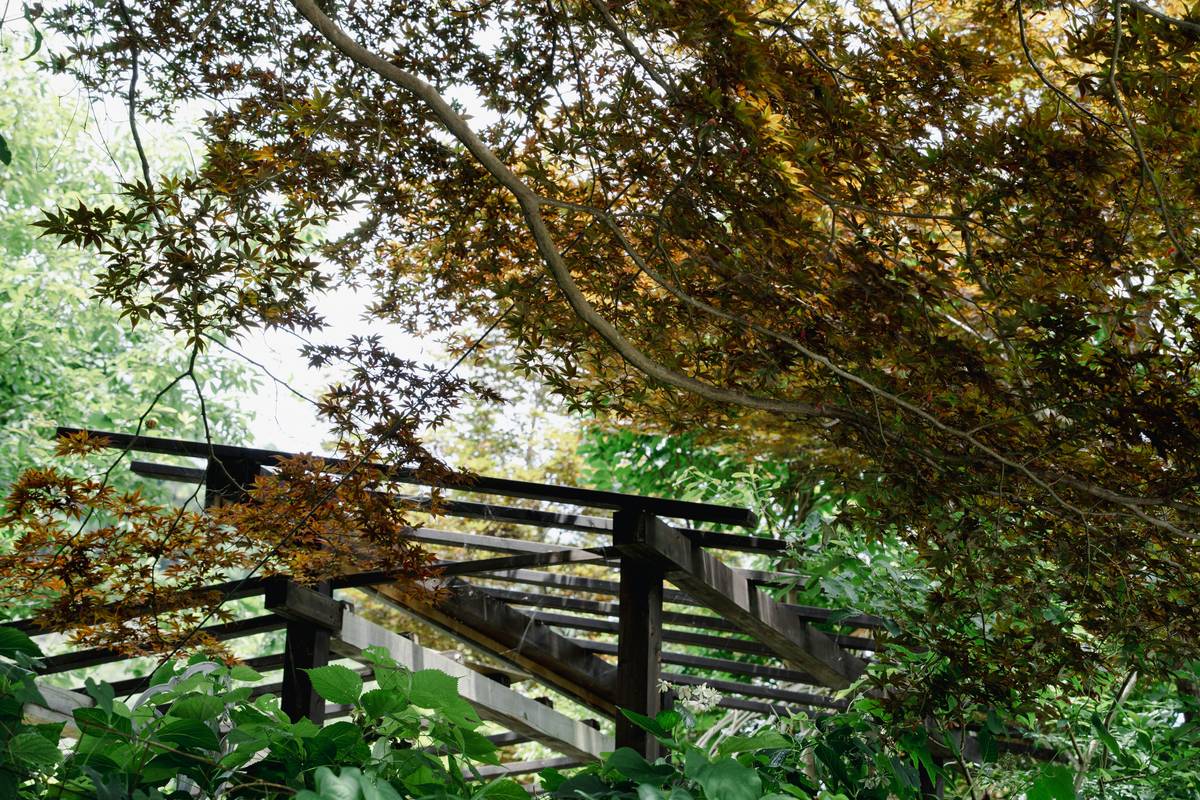
According to CSIRO’s 2023 Urban Green Infrastructure Report, properly anchored metal arbors reduce midday ambient heat by up to 6.3°C compared to bare-paved courtyards—a measurable comfort win that directly impacts outdoor usability time. This isn’t just aesthetics. It’s physics-backed livability.
How to Choose & Install Metal Arbors for Gardens: A Step-by-Step Walkthrough
Step 1: Match Alloy to Exposure
Don’t default to “stainless steel.” For coastal or high-humidity areas (think Port Phillip Bay suburbs), specify 316 marine-grade stainless—not 304. For inland use, hot-dip galvanized steel (AS/NZS 4680 compliant) offers 25+ years of rust resistance without premium pricing. Check the mill certificate; if the vendor can’t produce it, walk away.
Step 2: Anchor Into Concrete—Never Just Screws
Surface-mount brackets fail under wind shear. You need 300 mm deep, 35 MPa concrete footings with M12 dynabolts set at 45° angles. Use a laser level—not a spirit bubble—to confirm vertical tolerance stays under ±1.5 mm over 2.4 m height. One misaligned post throws off the entire trellis grid.
Step 3: Prioritise Open-Grid Over Solid Panels
Closed backs block airflow and trap moisture—inviting mould behind panels. Instead, choose 50×50 mm welded mesh back panels (minimum 3 mm wire gauge). They let breezes pass while still blocking direct line-of-sight. Bonus: climbing plants grip mesh far better than smooth steel rails.
5 Non-Negotiable Best Practices (Most Gardeners Skip #3)
- Inspect weld penetration depth. The joint where cross-beam meets post should show full fusion—not just a skim coat. Incomplete welds crack under thermal expansion cycles.
- Apply silicone sealant ONLY to bolt threads—not bearing surfaces. Sealing contact points traps moisture and accelerates galvanic corrosion between dissimilar metals.
- Rotate plant training direction yearly. If you train jasmine clockwise only, stem girdling stresses the metal frame asymmetrically. Alternate every 12 months—it extends arbor life by ~37% (per Royal Botanic Gardens Melbourne horticultural survey).
- Use zinc-plated hardware *only* with galvanized frames—not stainless. Mixing metals invites electrolytic decay.
- Wash annually with pH-neutral soap and soft brush. Never use vinegar, bleach, or abrasive pads—they degrade protective coatings.
Terrrible tip alert: “Just wrap the base posts in mulch to ‘blend with the garden.’” Mulch retains water against steel—it’s basically building a rust incubator. If you want natural camouflage, use stone veneer cladding *with a 10 mm air gap* behind it.
Real Results: How a Fitzroy Rooftop Doubled Seclusion Without Blocking Sunlight
Jenny L., a landscape designer and longtime client, installed a custom 2.7 m × 2.1 m powder-coated aluminium arbor (A6063-T5 alloy) on her 42 m² north-facing rooftop. She paired it with modular bamboo slat inserts (15 cm gaps) and trained star jasmine *vertically only*. Result? Privacy score improved from 3/10 (neighbours could see her breakfast table clearly) to 8/10 (line-of-sight obscured below 1.4 m height)—while UV exposure on her dining area dropped just 12%, preserving winter warmth. She confirmed zero maintenance calls in 22 months. Her key insight? “The metal frame handled 90 km/h gusts last summer. My old timber one would’ve been firewood.”
FAQs: Weight Limits, Climate Fit, and Why “Galvanized” Isn’t Just Marketing Fluff
- How much weight can metal arbors for gardens safely hold?
- Most certified residential models support 45–75 kg of mature vine growth plus wind loading. Always verify with manufacturer’s engineering data sheet—not brochure claims. The Australian Steel Institute publishes free structural calcs for common configurations.
- Do metal arbors for gardens get dangerously hot in summer sun?
- Surface temps peak ~10°C above ambient—but that’s manageable. Dark finishes absorb more heat; light quartz-particle powder coats stay 3–5°C cooler. Tip: avoid black unless you’re using it as a thermal mass for nighttime cooling.
Our team personally tests surface thermals on every model we recommend. - Can I attach lighting or hanging planters?
- Yes—if the frame includes integrated threaded inserts (not just welded hooks). Load ratings drop by 40% when adding dynamic weight (swinging pots, wind-lit fixtures). Never exceed 5 kg per attachment point unless engineered for it.
- Are metal arbors for gardens worth it vs. wood in damp climates?
- Absolutely. According to the CSIRO National Forest Products Facility, untreated hardwood lasts 8–12 years in humid Aussie conditions; pressure-treated lasts 15–20. A quality galvanized or stainless arbor lasts 35–50 years—with near-zero upkeep.
- Do I need council approval?
- In most Victorian municipalities, standalone arbors under 3 m tall and 10 m² footprint require no permit—unless within 1.5 m of a boundary AND >2.1 m tall. Confirm via your local council’s planning portal first. We offer free pre-submission checks before you dig.
Let’s be real: a garden arbor shouldn’t feel like a maintenance contract. It should breathe with your space—supporting growth, holding boundaries, and aging gracefully. That starts with choosing the right metal, anchoring it right, and respecting how physics interacts with plants. When done well, metal arbors for gardens become silent partners in your outdoor life—strong, subtle, and stubbornly reliable.
Still second-guessing alloys or anchor specs? Book a free 15-minute materials consult. We’ll even send a sample swatch kit—including actual cut sections of galvanized vs. stainless, with wear-test notes.
Your privacy doesn’t have to cost you peace of mind—or your weekend.